News
(Advertisement)


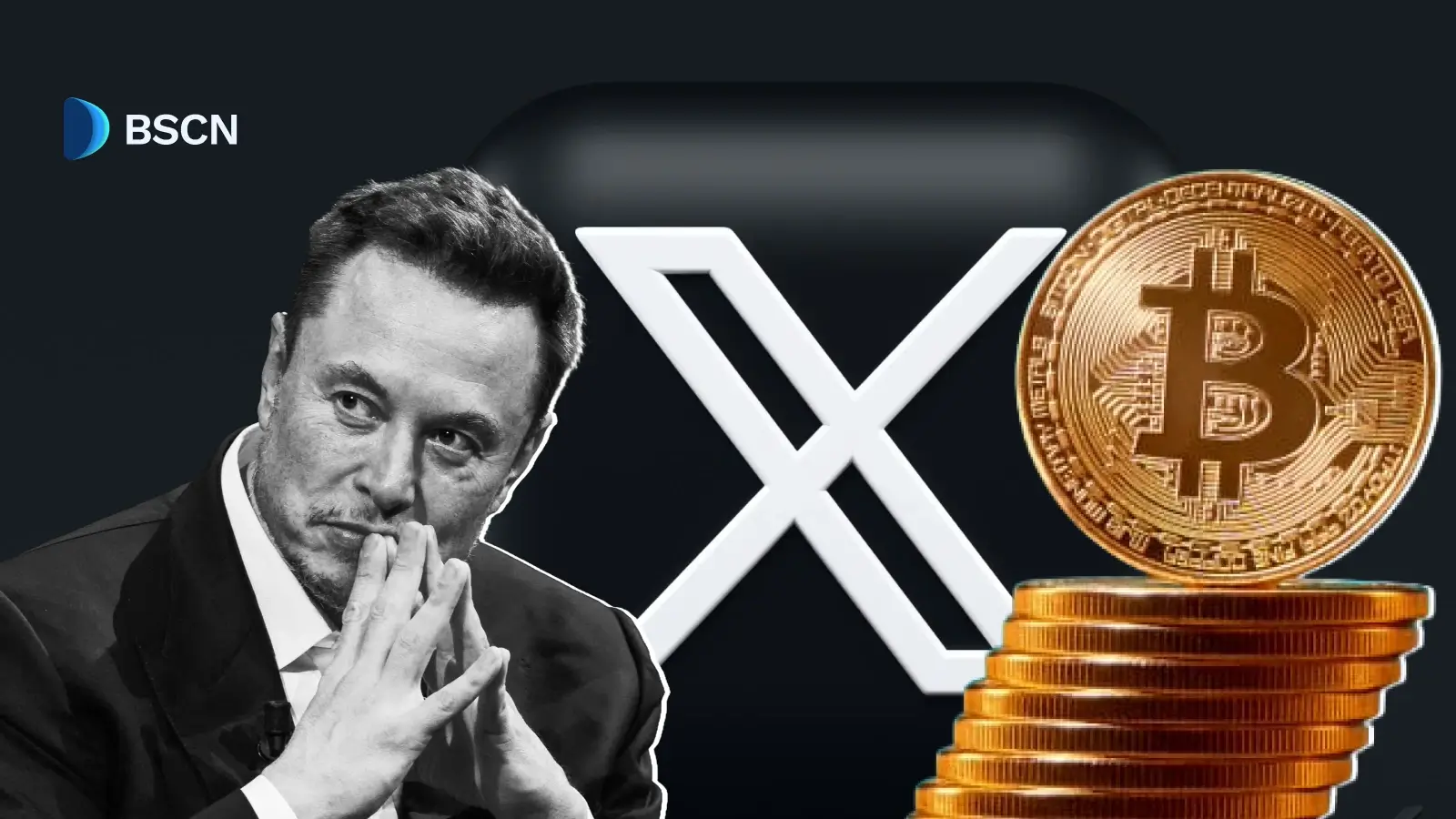
X Just Ended the Crypto Influencer Gravy Train
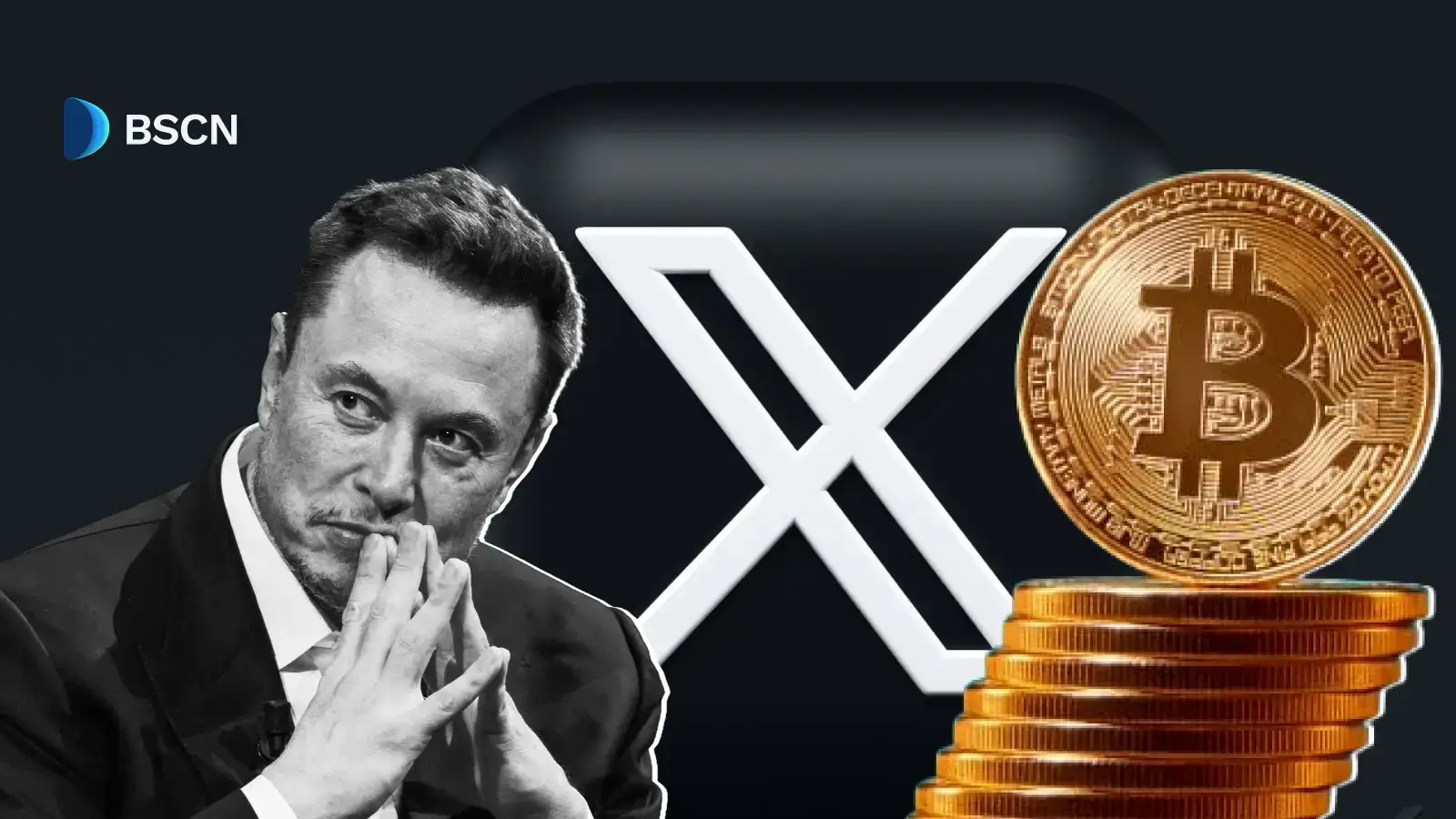
X's crypto policy just changed overnight. Here's what the new Paid Partnership rules actually mean for influencers, brands, and the future of Crypto Twitter.

Soumen Datta
March 2, 2026

(Advertisement)
Table of Contents
Something Quietly Shifted on X, and the Crypto Community Noticed
It happened without a major announcement. No press release, no countdown. Sometime around mid-February, a policy page on X was updated, and a category that had been sitting on the platform's prohibited advertising list for years was simply gone.
Analyst DeFi Ignas caught it first.
"Crypto is no longer listed under Prohibited Industries for paid promo on X," he posted. "The policy page changed recently. On February 16, it was still there."
That single observation set off a wave of debate across Crypto Twitter, the informal name for the crypto community that has long called X home. Was this a win? A trap? The beginning of something bigger, or the first sign that the platform was tightening its grip on how crypto gets talked about?
The answer, it turns out, depends on who you are and what you were doing before the change.
What X Actually Changed, and What It Did Not
The update removed the entire financial products category from X's list of prohibited advertising industries. That includes loans, investment services, and cryptocurrency. Gambling was also taken off the list.
But this was not a blanket green light. At the same time, other industries were added to the restricted list, including pharmaceuticals, tobacco, weapons, and weight loss products. The platform was not loosening its standards across the board. It was making a targeted decision about which categories it wanted to allow back in, and under what conditions.
Those conditions matter. A lot.
The Paid Partnership Label
X introduced a formal Paid Partnership framework alongside the policy update. Any post that involves a brand compensating or incentivizing a creator to promote a product or service must now carry a visible "Paid Partnership" label. This applies to influencers, content creators, and anyone operating in that space.
Nikita Bier, X's Head of Product, explained the intent:
"Undisclosed promotions hurt the integrity of the product and lead people to distrust the content they read on X. This new feature will allow you to comply with regulations, but more importantly, it enables you to be transparent with your followers."
Users can also self-flag content as a paid partnership. Creators are responsible for ensuring their posts comply with applicable laws, including FTC regulations on endorsements and testimonials.
What Is Still Off-Limits
Even with crypto removed from the prohibited list, the Paid Partnership framework continues to block promotions for:
- Sex products and services
- Alcohol and tobacco
- Dating platforms
- Recreational and prescription drugs
- Health and wellness supplements
- Weapons
- Political and social issue content used for commercial purposes
There is also a geographic restriction that crypto influencers need to take seriously. Paid partnerships promoting crypto must be blocked or invisible to users in the European Union, the United Kingdom, and Australia, three regions with strict financial promotion laws that represent a significant share of global crypto activity.
Why This Is Happening Now
Regulatory pressure on crypto advertising has been building globally for years.
The UK's Financial Conduct Authority rolled out strict crypto marketing rules in 2023. The European Union's Markets in Crypto-Assets regulation, commonly known as MiCA, includes specific provisions around transparent advertising. X's new framework aligns with that direction, at least in part.
Other major platforms have walked this same road. Meta gradually relaxed its crypto ad ban but kept a formal review process in place. Google permits registered cryptocurrency exchanges to advertise in select regions. TikTok generally prohibits financial services ads altogether. X's approach lands somewhere between Meta's case-by-case model and Google's regional framework, but with a more visible and uniform disclosure requirement than either.
From a business perspective, the move also fits with a larger vision. X's owner Elon Musk confirmed on February 11 that X Money, the platform's planned payments system, is set to launch as a limited beta within two months before a wider global rollout. The ambition is to build what Musk has described as an "everything app," modeled loosely on China's WeChat, combining social networking, messaging, and financial services in one place.
Whether crypto will be integrated directly into X Money has not been confirmed. But on February 14, Bier announced another feature in the pipeline: Smart Cashtags, which would allow users to trade stocks and crypto directly on the platform.
How X Plans to Enforce This
The platform says enforcement will combine automated systems with human review. Advertisers running crypto campaigns must select the paid partnership option during setup. A persistent label then appears on the post across all user interfaces.
Failing to label a crypto ad correctly can result in campaign rejection, account penalties, or permanent suspension. The broader enforcement framework includes automated keyword scanning to catch potential violations, enhanced verification for financial service advertisers, simplified user reporting tools for flagging unlabeled content, and a transparency center that will display all active paid crypto partnerships publicly.
The Crypto Influencer Business Model Is Cracking
X is changing the rules of engagement in a way that will force a significant portion of the crypto influencer space to operate differently.
"90% of crypto influencers now need to find a new business model that does not just involve them pretending to like a project they were paid to promote, allowing them to dump their allocations on the people that trusted them,” Analyst Benjamin Cowen, said.
That is a pointed but widely shared concern. The informal economy of paid crypto promotion on X has operated in a grey zone for years. Projects would pay influencers to post about a token, often without any disclosure, and audiences had no reliable way to distinguish genuine enthusiasm from a paid shill. For memecoins and newer tokens in particular, that kind of undisclosed promotion has had real financial consequences for retail investors.
Rune raised a different kind of concern, focused less on ethics and more on enforcement mechanics.
"It's supposed to be for 'paid partnerships,' but who can tell the difference between someone promoting a token without being paid and someone who is being paid to promote it? There will be a massive ban wave on CT, and everyone will be scared to shill tokens," Rune stated.
That concern points to a genuine ambiguity in the policy. The line between organic enthusiasm and compensated promotion is not always visible, and if X's enforcement systems rely on automated scanning, false positives are a real risk.
Industry analysts note a practical tradeoff for brands running campaigns. Research on similar disclosure requirements on other platforms suggests that labeled ads tend to see 15 to 25 percent lower engagement than content that reads as organic. In the short term, ad volumes may drop. Over time, the quality of advertisers tends to improve as the lower-effort players exit.
Conclusion
X has gone after the version of crypto promotion that operated without rules, without disclosure, and without accountability. For brands, the new framework opens a legitimate advertising channel that was previously closed. For influencers who built businesses around undisclosed paid posts, the adjustment will be real. And for the average user trying to figure out whether that enthusiastic token post is genuine or bought, the label at least gives them something to work with.
Resources
Nikita Bier on X: Post on March 1


Frequently Asked Questions
Has X banned crypto advertising?
No. X removed cryptocurrency from its prohibited advertising list. Crypto ads are now permitted on the platform, provided they carry a mandatory Paid Partnership label and comply with local financial promotion regulations, including restrictions in the EU, UK, and Australia.
Do crypto influencers need to disclose paid promotions on X?
Yes. Any post involving compensation or incentives from a third-party brand must display a Paid Partnership label. Influencers are responsible for ensuring their content meets FTC regulations and applicable local laws. Failure to comply can result in account penalties or permanent suspension.
Will X Money support cryptocurrency?
X Money is confirmed to be launching in limited beta within months, with a global rollout to follow. Whether it will support crypto transactions has not been officially confirmed. Separately, X has announced a Smart Cashtags feature that would let users trade stocks and crypto directly on the platform.
Disclaimer
Disclaimer: The views expressed in this article do not necessarily represent the views of BSCN. The information provided in this article is for educational and entertainment purposes only and should not be construed as investment advice, or advice of any kind. BSCN assumes no responsibility for any investment decisions made based on the information provided in this article. If you believe that the article should be amended, please reach out to the BSCN team by emailing [email protected].
Author
 Soumen Datta
Soumen has been a crypto researcher since 2020 and holds a master’s in Physics. His writing and research has been published by publications such as CryptoSlate and DailyCoin, as well as BSCN. His areas of focus include Bitcoin, DeFi, and high-potential altcoins like Ethereum, Solana, XRP, and Chainlink. He combines analytical depth with journalistic clarity to deliver insights for both newcomers and seasoned crypto readers.
(Advertisement)
Latest News
1h : 29m ago
The Last Step Before Tokenized Communities Launch: $ION Set to List on Exchanges
3h : 1m ago

Bitcoin Is Flashing the Same Signal It Did Before Its Last 300% Rally
5h : 16m ago
X Just Ended the Crypto Influencer Gravy Train
February 27, 2026

XRP Ledger Fixes Major Vulnerability Just in Time
February 27, 2026

Bitcoin Will Drop to $10,000 Says Wikipedia Co-Founder: "Possibly Much Lower"
February 27, 2026
Full Rollout of MetaMask Debit Card Arrives
February 27, 2026
Circle is Exploring a Native Token for its Arc Blockchain: What We Know
February 27, 2026

BNB Chain Outperforms Other Major L1s with Onchain Growth
(Advertisement)

Crypto Project & Token Reviews
Project & Token Reviews
Comprehensive reviews of crypto's most interesting projects and assets
Learn about the hottest projects & tokens

