News
(Advertisement)


Warren vs. Trump's SEC: The Crypto Showdown Everyone's Talking About
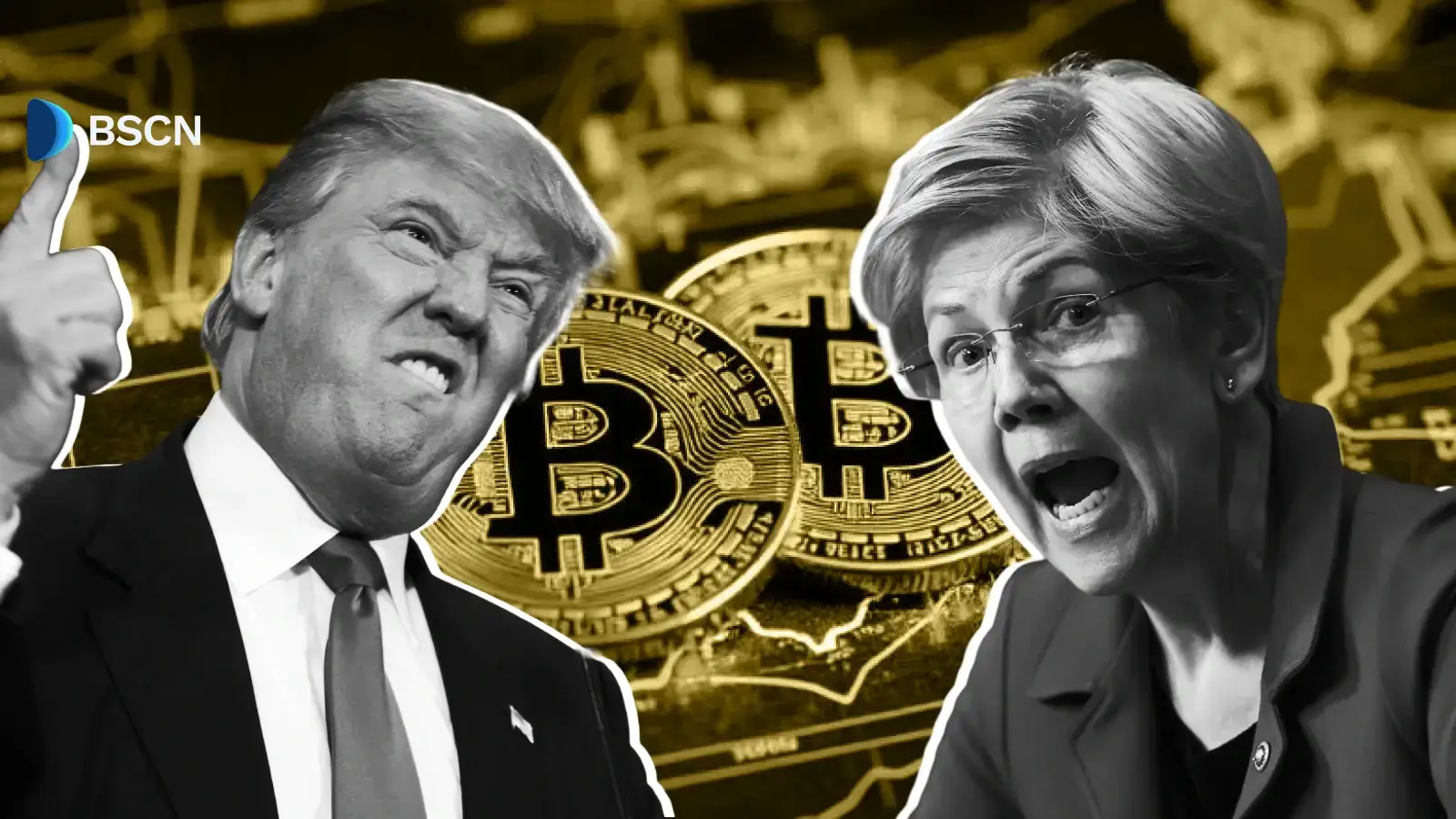
Warren challenges SEC Chair Atkins over dropped crypto cases against Trump donors. US banks demand delay in crypto charter approvals amid regulatory gaps.

Soumen Datta
February 13, 2026

(Advertisement)
Table of Contents
Senator Elizabeth Warren confronted Securities and Exchange Commission Chair Paul Atkins on February 12 over dropped enforcement cases against cryptocurrency companies that donated to Trump's inauguration, while Atkins defended his approach as ending "regulation by enforcement" and returning the agency to core principles.
The contentious hearing occurred as the American Bankers Association called for a pause on crypto bank charter approvals until regulatory frameworks are finalized.
Are SEC Enforcement Numbers Actually Down?
Warren presented public data showing declines in SEC enforcement across multiple categories. Securities offerings enforcement fell 10.64% from 2024 to 2025, investment adviser enforcements dropped 23.71%, and broker-dealer cases declined 29.51%.
Atkins disputed Warren's characterization, noting the SEC hasn't released official year-end numbers yet and disagreeing with her premise about enforcement priorities. He framed his tenure as a "back to basics" reset focused on investor protection, orderly markets, and capital formation rather than pursuing cases he views as regulatory overreach.
Independent research firm Cornerstone Research confirmed lower enforcement settlements in fiscal 2025 compared to fiscal 2024, though the reasons for the decline remain debated. Supporters of Atkins argue the previous administration pursued aggressive enforcement actions on registration issues rather than actual fraud.
“It’s part of a broader pattern. Just look at the crypto companies that donated a whopping $85 million dollars to President Trump’s inauguration,” Warren noted. “They may have scammed investors and consumers. But once Trump was sworn in, the SEC started dropping these cases like hot potatoes.”
Why Did The SEC Drop Cases Against Crypto Companies?
Warren outlined dismissed cases against major cryptocurrency platforms that contributed to Trump's inauguration:
- Kraken: Donated $1 million, case dismissed
- Coinbase: Donated $1 million, case dismissed
- Gemini: Donated $1 million, case dismissed
- Binance: Provided a $2 billion deal boost to Trump family's stablecoin business, case dismissed
Atkins explained that the dropped cases involved "registration issues" from the previous commission. This distinction matters because registration violations differ fundamentally from fraud cases. The previous SEC under Gary Gensler pursued an enforcement-heavy approach, arguing most crypto tokens were unregistered securities. Industry advocates countered that the agency never provided clear rules for compliance, making registration impossible.
When Warren challenged Atkins to name active cases against crypto donors, he could not provide examples off-hand. However, Atkins argued that the lack of current cases reflects policy changes rather than favoritism, as the SEC now seeks to establish clear rules through legislation rather than courtroom battles.
What Is The Registration Versus Fraud Debate?
The crypto industry has long complained about what it calls "regulation by enforcement." Companies argued the previous SEC never clarified which digital assets qualified as securities, then punished firms for failing to register. This made compliance nearly impossible since firms couldn't determine their regulatory obligations.
Atkins advocates for the Digital Asset Market Clarity Act of 2025, which would establish clear boundaries between SEC and Commodity Futures Trading Commission oversight. The bill has cleared the House and awaits Senate action.
Critics like Warren argue this approach lets scammers off the hook. Supporters contend it creates a workable framework that protects investors while allowing legitimate innovation. The fundamental disagreement centers on whether the dropped cases involved actual investor harm or technical registration violations in an unclear regulatory environment.
What Happened With Presidential Clemency Cases?
Warren highlighted three corporate executives who received presidential clemency and subsequently had SEC cases dropped:
- Devon Archer: Sold $60 million in worthless bonds to pension holders
- Carlos Watson: Misled investors about company financial performance
- Trevor Milton: Defrauded investors, donated $1.8 million to Trump campaign
Atkins acknowledged the difficulty of pursuing civil actions against individuals who receive presidential pardons or clemency. He noted that while the SEC can technically continue civil cases, presidential clemency creates practical obstacles.
This raises complex legal questions about the separation between criminal and civil enforcement. When a president grants clemency, does that indicate the underlying conduct doesn't warrant further government action, or should civil regulators maintain independence?
How Does Crypto Legislation Address These Issues?
Atkins repeatedly advocated for Congressional passage of clear digital asset rules. He told senators that statutory clarity would prevent enforcement whiplash and reduce uncertainty for companies trying to determine whether products fall under securities or commodities rules.
The legislation faces Senate obstacles. Democrats want ethics requirements added to address potential conflicts of interest with U.S. officials profiting from the crypto industry. Democrats attempted such amendments in the Agriculture Committee but failed. Their support would be necessary for a full Senate vote.
To bridge the regulatory gap during negotiations, Atkins said the SEC and CFTC are working on "Project Crypto," developing token taxonomy and potential exemptions for certain blockchain transactions while maintaining investor protections.
The White House has been trying to break a stalemate among banks and digital asset firms on unresolved issues, including disagreements over stablecoin rewards, that have slowed momentum behind broader crypto market-structure bills.
What About IPO Disclosures And Public Company Requirements?
Atkins used the hearing to argue U.S. corporate disclosure requirements have become so extensive they obscure rather than illuminate risk. He cited the disclosure burden as one factor causing the U.S. to have fewer listed companies in 2026 than in past decades.
He estimated annual reporting costs public companies billions to comply and promised to "modernize, rationalize and streamline" disclosures about materiality, a cornerstone concept in U.S. securities law.
This argument reflects a longstanding debate. Supporters say excessive disclosure requirements make going public too expensive, driving companies to remain private longer and limiting ordinary investors' access to growth opportunities. Critics argue robust disclosure protects investors from hidden risks and that weakening requirements invites corporate malfeasance.
Why Are US Banks Calling For A Pause On Crypto Charters?
The American Bankers Association submitted a comment letter Wednesday urging the Office of the Comptroller of the Currency to slow approvals of national bank charters for digital asset firms. The banking group cited specific concerns:
- Unfinished receivership protocols: How failed crypto banks would be wound down remains unclear
- Incomplete federal oversight frameworks: The supervisory structure for crypto banking isn't finalized
The ABA referenced the GENIUS Act, noting full implementation likely remains "years away" because it requires coordinated rulemaking across five agencies, including the Federal Reserve and FDIC. The OCC has conditioned some recent charter approvals on future compliance with the GENIUS Act.
The banking association wants the OCC to "be patient, not measure its application decisioning progress against traditional timelines, and allow each charter applicant's regulatory responsibilities to come fully into view before moving a charter application forward."
This position reflects traditional banking concerns about new entrants operating under uncertain rules. However, crypto advocates might argue this approach protects incumbent banks from competition rather than addressing genuine regulatory gaps.
Conclusion
The February 12 hearing highlighted deep divisions over SEC enforcement under Atkins. Warren's data shows measurable declines in enforcement actions, while Atkins defends his approach as ending regulatory overreach. The dismissed cases against crypto donors who contributed millions to Trump's inauguration raise questions about the relationship between political contributions and enforcement decisions.
Meanwhile, the American Bankers Association's call to delay crypto charter approvals underscores the regulatory uncertainty facing the industry. With key legislation stalled in the Senate and implementation of oversight frameworks potentially years away, whether this approach protects investors or enables fraud remains an open question.
Resources
Press release by Senate Committee on Banking: At Hearing with SEC Chair Atkins, Warren Calls Out Trump Administration for Corruption As It Drops Cases Against Corporate Crooks
Report by Chief Investment Officer: SEC’s Atkins Backs Digital Clarity Act at Senate Banking Hearing
Press release by US SEC: Statements by US SEC Chair Paul Atkins





Frequently Asked Questions
Did the SEC drop cases for political reasons or legitimate legal grounds?
Warren argues the pattern of dropped cases against Trump donors indicates favoritism. Atkins maintains the cases involved registration issues from an overly aggressive previous approach, not fraud. The SEC now seeks clear rules through legislation rather than enforcement actions in an ambiguous regulatory environment.
What is the GENIUS Act and why does it matter for crypto banking?
The GENIUS Act would establish federal oversight frameworks for cryptocurrency and stablecoin operations. The American Bankers Association noted its full implementation requires coordinated rulemaking across five agencies and likely won't be complete for years, which is why they want crypto charter approvals delayed until regulatory responsibilities are clearly defined.
How much has SEC enforcement actually declined under Atkins?
Public data shows securities offerings enforcement down 10.64%, investment adviser cases down 23.71%, and broker-dealer enforcement down 29.51% comparing 2024 to 2025. Cornerstone Research confirmed lower settlements. Whether this reflects appropriate policy correction or dangerous deregulation depends on whether you view the previous approach as protecting investors or regulatory overreach.
Disclaimer
Disclaimer: The views expressed in this article do not necessarily represent the views of BSCN. The information provided in this article is for educational and entertainment purposes only and should not be construed as investment advice, or advice of any kind. BSCN assumes no responsibility for any investment decisions made based on the information provided in this article. If you believe that the article should be amended, please reach out to the BSCN team by emailing [email protected].
Author
 Soumen Datta
Soumen has been a crypto researcher since 2020 and holds a master’s in Physics. His writing and research has been published by publications such as CryptoSlate and DailyCoin, as well as BSCN. His areas of focus include Bitcoin, DeFi, and high-potential altcoins like Ethereum, Solana, XRP, and Chainlink. He combines analytical depth with journalistic clarity to deliver insights for both newcomers and seasoned crypto readers.
(Advertisement)
Latest News
2h : 49m ago
Luxxfolio Litecoin Mining Operations: How Is the Company Building LTC Through Scrypt Mining?
4h : 7m ago

Why LayerZero On Cardano? Charles Hoskinson's Master Plan Revealed
4h : 42m ago

Fraction AI Partners with Grvt: Enhancing AI-Driven Crypto Trading and Yield Strategies
13h : 22m ago

What Really Caused Bitcoin's 50% Crash? It's Not What Traders Think
14h : 14m ago

Kaspa’s Upcoming Covenant-Centric Hardfork: What We Know
15h : 52m ago
Warren vs. Trump's SEC: The Crypto Showdown Everyone's Talking About
February 12, 2026

Binance Integrates Ripple's RLUSD on XRP Ledger
February 12, 2026

ETF Flows Flip Bearish as BTC Slides Below $66K
(Advertisement)

Crypto Project & Token Reviews
Project & Token Reviews
Comprehensive reviews of crypto's most interesting projects and assets
Learn about the hottest projects & tokens

Latest Crypto News
Get up to date with the latest crypto news stories and events
